Layer Flock Essentials: The Gear That Matters When the Eggs Start
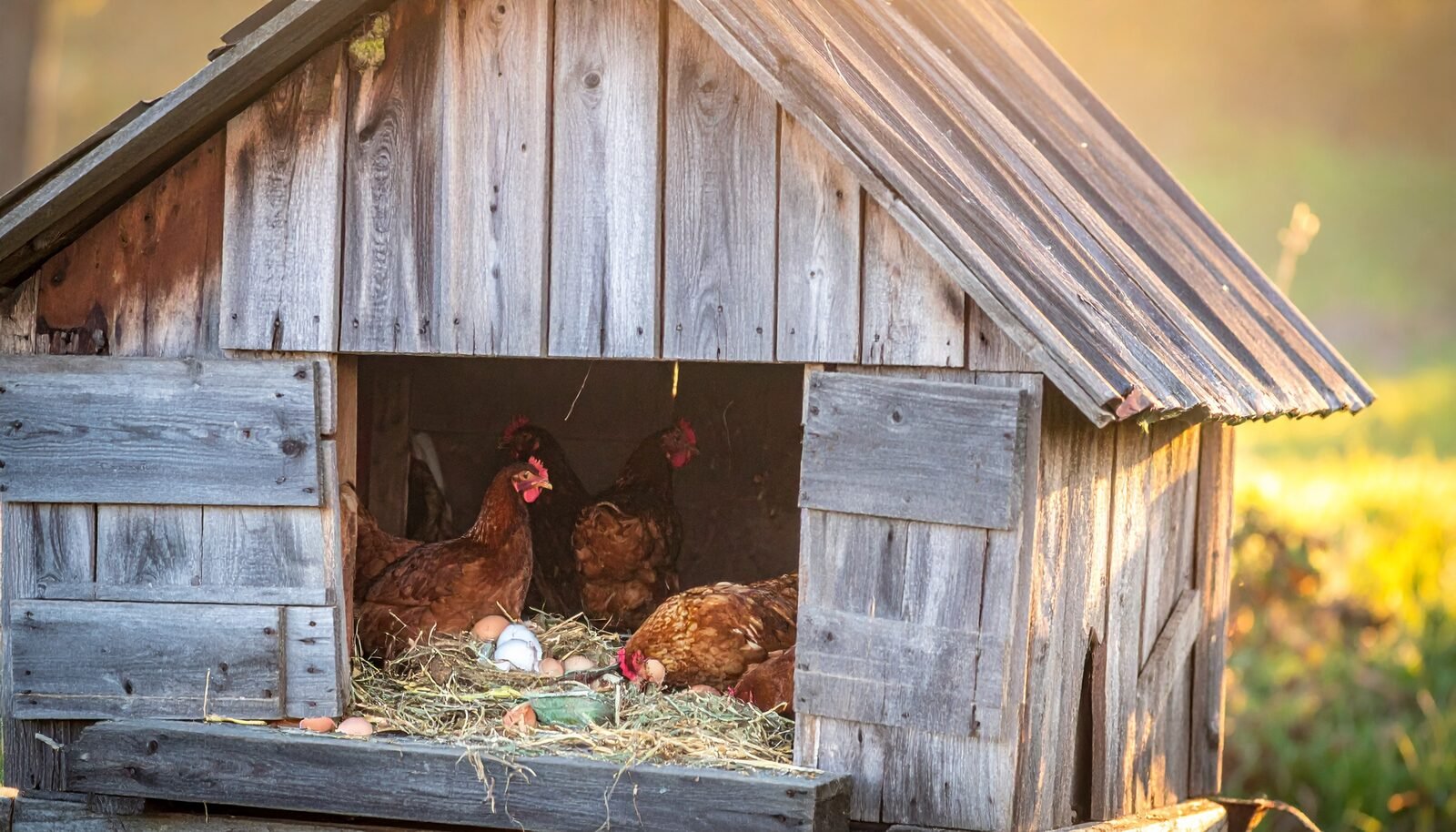
When pullets start laying the setup changes — layer feed, oyster shell, nest boxes, frozen-water fixes and winter light. A practical Canadian layer flock gear guide.
 Rick.W
When pullets start laying the setup changes — layer feed, oyster shell, nest boxes, frozen-water fixes and winter light. A practical Canadian layer flock gear guide.
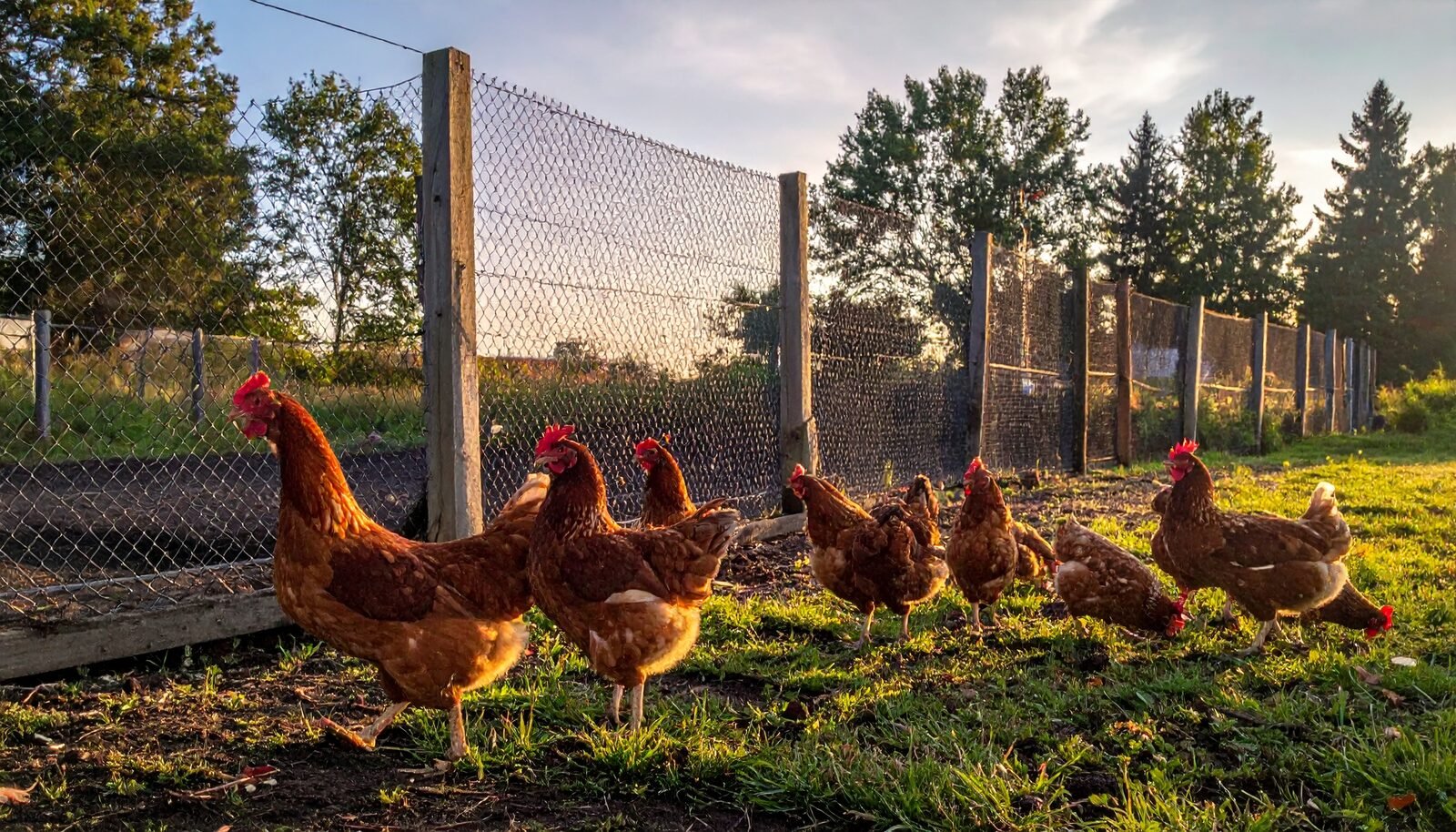
The awkward stage between chick and layer — grower feed transition, when chickens can go outside in Canada, space needs, and how to integrate new birds with the flock. Practical BC/Alberta guide.
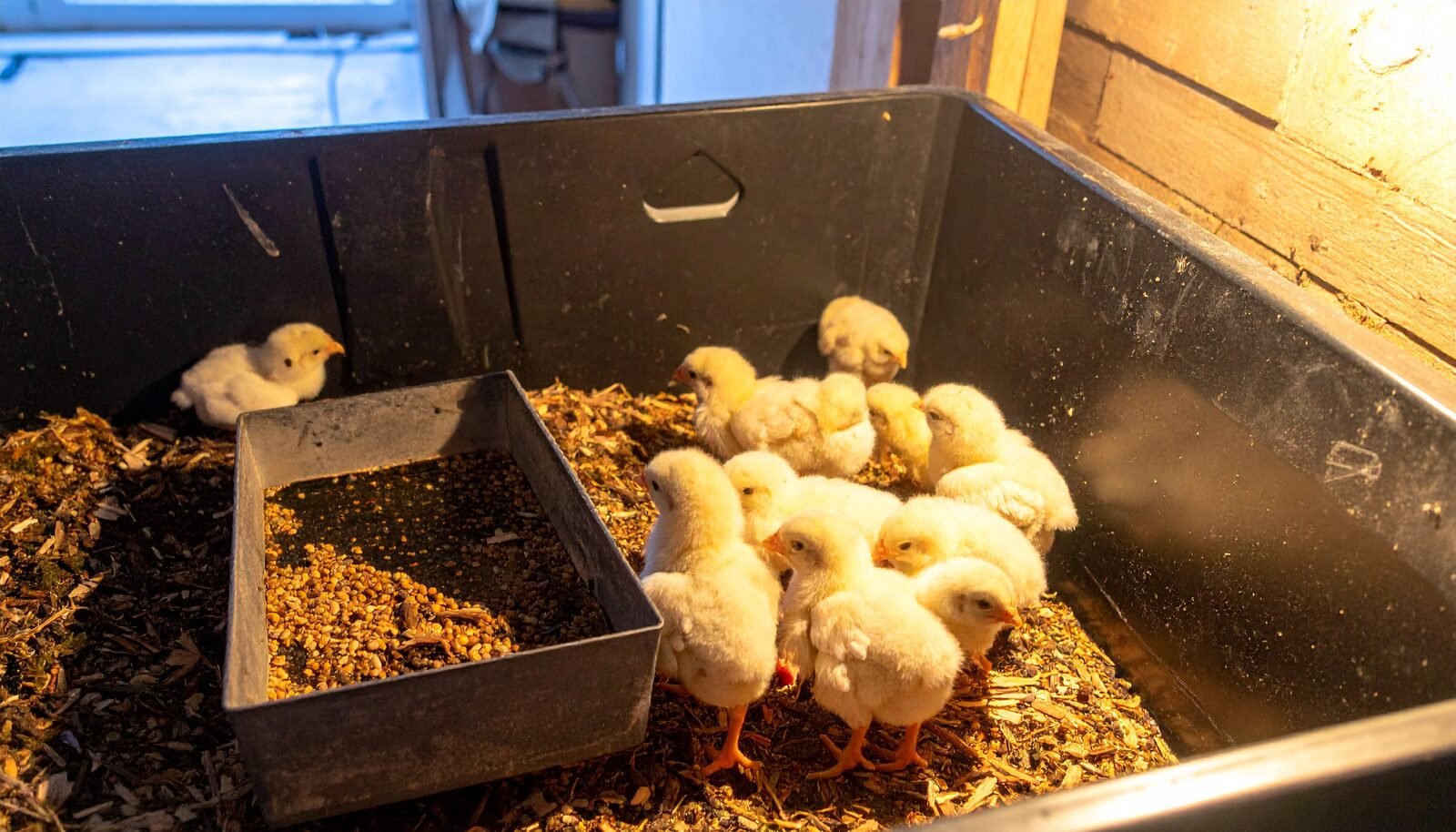
Everything to have ready before your chicks arrive — brooder, heat, feed and water — a practical Canadian chick starter kit from a BC hobby farm.
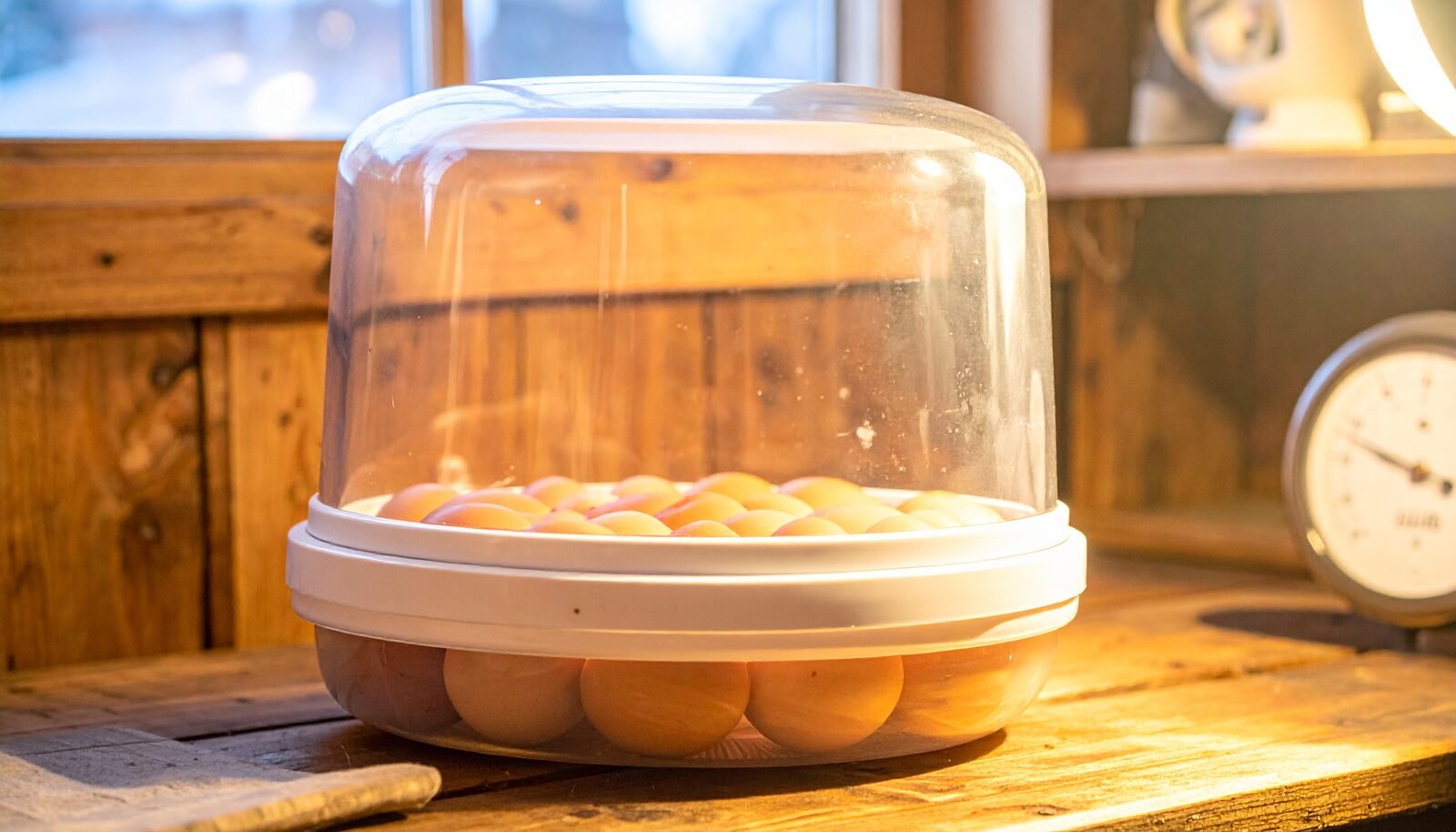
How to hatch chicken eggs at home — incubator setup, temperature and humidity targets, candling and lockdown, plus the gear that makes a hatch work. Canadian hobby-farm practical.
T-posts and wood posts each have their place on an Okanagan farm. T-posts are fast, cheap, do not rot, and are easy to pull and reuse – perfect for line posts on cross-fencing or temporary paddocks. But never use a T-post for a corner, gate end, or any anchor point under tension. Those need properly … Read more
When buying a steel farm gate in BC, start with width. Most farmers underestimate how wide they need – if you run any modern equipment, 16 feet is not too much. Height-wise, 4 feet handles most livestock; go 5 feet for horses that jump. Steel tube gates outlast panel-style gates at wider widths because they … Read more
Choosing the right cattle panel for your South Okanagan farm depends on your livestock and terrain. The standard 52-inch by 16-foot galvanized cattle panel works for most cattle and horse operations. For smaller livestock like goats or sheep, a hog panel with tighter bottom spacing keeps them in better. Always go galvanized in the Okanagan … Read more